Holiday Compensation
Understand your rights to holiday compensation...link

Food poisoning and other gastric illnesses can ruin a holiday and, in serious cases, cause lasting medical problems.
A traveller who becomes ill because food, water or hygiene standards at a hotel or resort were unsafe may be entitled to claim compensation. However, becoming ill while abroad does not automatically prove that the hotel or tour operator was responsible.
The claimant must normally show that the illness was caused by a failure to provide the holiday services with reasonable care and in accordance with the package-travel contract.
During the years leading up to 2017, tour operators reported a very large increase in gastric illness claims by British holidaymakers.
ABTA reported that the number of claims had increased by more than 500% in three years, even though reported sickness levels in many resorts had remained stable or fallen.
Concerns were raised that:
Those concerns led to changes in the civil procedure rules and stronger action against dishonest claims.
The old suggestion that solicitors could recover unlimited legal costs for holiday sickness claims is no longer an accurate description of the usual position.
In 2018, the Government introduced a specific pre-action protocol and fixed recoverable costs for qualifying package-travel sickness claims.
The reforms were intended to bring the cost treatment of these cases closer to comparable personal injury claims arising within England and Wales.
The current Pre-Action Protocol for Resolution of Package Travel Claims generally applies to qualifying claims valued at no more than £25,000.
Fixed recoverable costs do not mean that every client pays the same amount to their solicitor. A claimant should still check:
The Package Travel and Linked Travel Arrangements Regulations 2018 provide important protection for people who purchase qualifying package holidays.
A package will normally combine at least two different types of travel service for the same trip, such as:
The package organiser is responsible for the performance of the travel services included in the contract, even where the hotel, airline or another supplier actually provides the service.
This may allow a UK traveller to bring a claim against the package organiser rather than having to pursue an overseas hotel directly.
A successful claim normally requires evidence that:
It is not enough merely to show that the traveller became unwell while staying at a hotel.
Gastric illness may be caused by:
The court must decide what probably caused the illness on the evidence available.
Evidence supporting a claim may include:
A photograph of an untidy buffet will not by itself prove that the food caused an illness. The whole body of medical and factual evidence must be considered.
A traveller who becomes ill should obtain medical attention as soon as reasonably possible.
Medical evidence may include:
A medical diagnosis made while symptoms are present may be particularly valuable.
However, failure to see a doctor abroad does not automatically make a genuine claim invalid. A traveller may have been confined to their room, unable to obtain assistance or unaware of how to access medical care.
The absence of contemporaneous medical evidence may nevertheless make it more difficult to prove the illness and its cause.
The traveller should report the illness promptly to:
Ask for the complaint to be recorded and retain a copy or reference number.
Prompt reporting gives the organiser an opportunity to:
A claim made months after the holiday without any complaint during the stay may attract closer scrutiny, although it is not automatically fraudulent or invalid.
A claimant should prepare a clear chronology recording:
Receipts, booking documents, photographs and correspondence should be retained.
A claimant must describe the illness and its effects accurately.
Evidence may be checked against:
Posting photographs of meals, alcohol, excursions or sporting activities during a period in which the claimant later says they were confined to bed may undermine the claim.
A person should not delete or alter relevant material after a dispute has arisen.
Making a deliberately false holiday sickness claim can have serious consequences.
Dishonest conduct may include:
Possible consequences include:
A solicitor must not pursue a claim they know to be dishonest and may be required to stop acting if the client provides false information.
In a personal injury claim, a court may dismiss the entire case where the claimant has been fundamentally dishonest in relation to the claim or a related claim.
This can occur even where part of the underlying injury was genuine.
The court may also order the claimant to pay substantial costs.
An honest mistake or minor inconsistency is not necessarily fundamental dishonesty, but deliberate exaggeration can have severe consequences.
Compensation may cover:
Compensation is based on the actual injury and loss proved. A claimant will not normally receive a full refund of the entire holiday simply because they were ill for part of it.
Receipts and documentary evidence should be kept for all expenses.
Many gastric illnesses resolve within a short period, but some can produce serious or continuing complications.
These may include:
Where symptoms continue, appropriate specialist evidence may be required before the claim is settled.
A tour operator or insurer may make an early offer before the full extent of the illness is known.
Once compensation is accepted in full and final settlement, the claimant will usually be unable to return for more money if symptoms continue or complications develop.
Medical prognosis should therefore be reasonably clear before a final settlement is accepted.
A personal injury claim brought in England and Wales will commonly be subject to a three-year limitation period.
The period normally runs from the date of the illness or from the date on which the claimant first had the necessary knowledge about the injury and its possible cause.
Different rules may apply where:
Some travel claims have much shorter limitation periods. Legal advice should therefore be obtained promptly.
Where the person who became ill was under 18, a parent or litigation friend may bring the claim on the child's behalf.
Any settlement of a child's court claim normally requires court approval.
Compensation is usually protected for the child until they reach adulthood unless the court directs otherwise.
The identity of the responsible defendant depends on how the holiday was booked.
Where flights and accommodation formed a qualifying package, the organiser may be responsible under the Package Travel Regulations.
Where the traveller booked directly with the hotel, or made separate arrangements with unrelated providers, they may have to pursue:
Questions may then arise about jurisdiction, applicable law and enforcing a judgment abroad.
A linked travel arrangement is not the same as a package holiday.
Although it may provide some financial protection, it does not normally make one organiser responsible for the proper performance of every travel service.
Travellers should check their booking documents to establish whether they purchased:
Travel insurance may cover:
The traveller should notify the insurer promptly and follow the policy's assistance procedure where possible.
An insurance claim may be available even where there is insufficient evidence to prove that the tour operator caused the illness.
Before issuing court proceedings, the traveller should normally make a written complaint setting out:
The package-travel pre-action protocol encourages early exchange of information, investigation and settlement without court proceedings.
Where a dispute cannot be resolved directly, alternative dispute resolution may be available.
This could include:
A court may consider whether the parties acted reasonably in attempting to resolve the dispute before litigation.
A travel company may decide not to accept future bookings from a customer, subject to contractual, consumer and discrimination law.
However, making a genuine complaint or claim does not establish fraud.
A tour operator should have proper grounds before accusing a customer of dishonesty or placing them on an internal fraud-prevention list.
A person who believes inaccurate or unfair information has been recorded may seek advice about:
Fraudulent claims damage the travel industry and can increase costs for other holidaymakers.
They can also make tour operators more suspicious of people who have suffered a genuine illness.
The answer is not to prevent legitimate claims. It is to ensure that cases are supported by reliable evidence and investigated fairly.
A genuine claimant should not automatically be rejected merely because:
Each case should be decided on the complete medical and factual evidence.
A solicitor may assist with:
A traveller who becomes ill because of unsafe food, water or hygiene standards may have a legitimate claim, but the illness and its cause must be properly evidenced.
Report the illness promptly, obtain medical assistance, retain documents and provide an accurate account of what occurred.
Use the search facility at the top of this page to find a solicitor experienced in travel claims, package holidays or personal injury.
Solicitors.com is not a firm of solicitors. This article provides general information about holiday sickness claims and does not constitute legal, medical or travel advice. Limitation periods, jurisdiction and liability will depend on the booking and individual circumstances.
If you believe this page contains an error or requires updating, don't hesitate to get in touch with us. We welcome amendments that help keep our legal information accurate and useful.




This is a highly specialised area of the Law and covers both aircraft and their facilities as well as many other areas detailed here.
link
As a charity it is important to understand your legal obligations and rights, a Charity Law solicitor swill be able to help with this, find Charity Law Solicitors from Solicitors.com
link
Solicitors.com - if you are looking to take action under the Human Rights Act, understand your rights and how a solicitor can assist you.
link

We have produced a few guides to help you but would recommend that you speak to a solicitor as all situations are different.
link


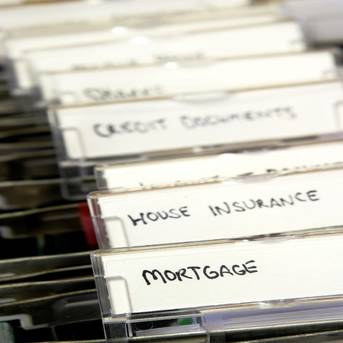
If you are looking to buy a property abroad you will need expert legal advice, this section details services provided, and offers guidance on how to find a solicitor for your needs.
linkCivil Liability Bill is set to change the face of compensation cl..
linkUnderstand your rights to holiday compensation...link
Travel & Tourism Compensation Claims. If you have had a problem whilst away of business or pleasure a travel and Tourism Solicitor will be able to help ..link
Civil Liability Bill is set to change the face of compensation claims, a win for the Insurance companies not access to justice...link
Understand your rights to holiday compensation...
linkGuide to some of the factors people use when appointing a Solicitor...link
Medical report fees are to be slashed in a bid to reduce fraud for
claimants in England and Wales...link
As an employee, you have rights protected by law, one of these rights is your entitlement to holidays...link
As an employee, you have rights protected by law, one of these ri..
linkMedical Negligence Solicitors. - Due to the varied and complex nature of the medical profession, clinical or medical negligence claims are never clear cut. Prov..link
Solicitors.com are not a firm of solicitors, and any content on the site should not be used in substitute for obtaining Legal advice from a solicitor regulated in the UK, Solicitors.com recommends that you contact a firm of solicitors to discuss your individual legal requirement. Whilst we strive to bring you accurate up to date content, all content on this site is not legal advice and is not guaranteed to be correct. Use of this site does not create a client relationship.

Step by step guide to help you understand the process of Conveyancing and moving.
link.jpg)
We have put together a few guidance notes for your help with Criminal law matters, if you require a solicitors please use the search facility or ask a question.
link
If you are looking for a commercial solicitor understand your options by contacting one of the 100s of commercial law firms on solicitors.com
link
If you are considering making a claim for Medical Negligence understand your rights and the process, find a medical compensation solicitor via solicitors.com
link
The amount of money owing may dictate the route you take to reclaim your money, we recommend that you discuss your situation with a solicitor, or you can call the CAB on 0808 223 1133.
link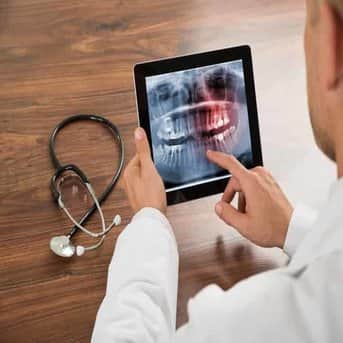
To undertake a dental negligence claim you must have sustained an injury or damage, as a result of the dental treatment understand the options available to you.
link

Family Law Solicitors can help you resolve the problems which may arise in the break-up of relationships, including financial issues and matters concerning any children.
link
Will be able to assist on all areas of Motoring Law for Example Drink Driving, Dangerous Driving, Careless Driving, Totting Up, Speeding, Driving Without Insurance motor offences.
link
Find a solicitor that can assist with wills, probate and estate planning in your area.
link